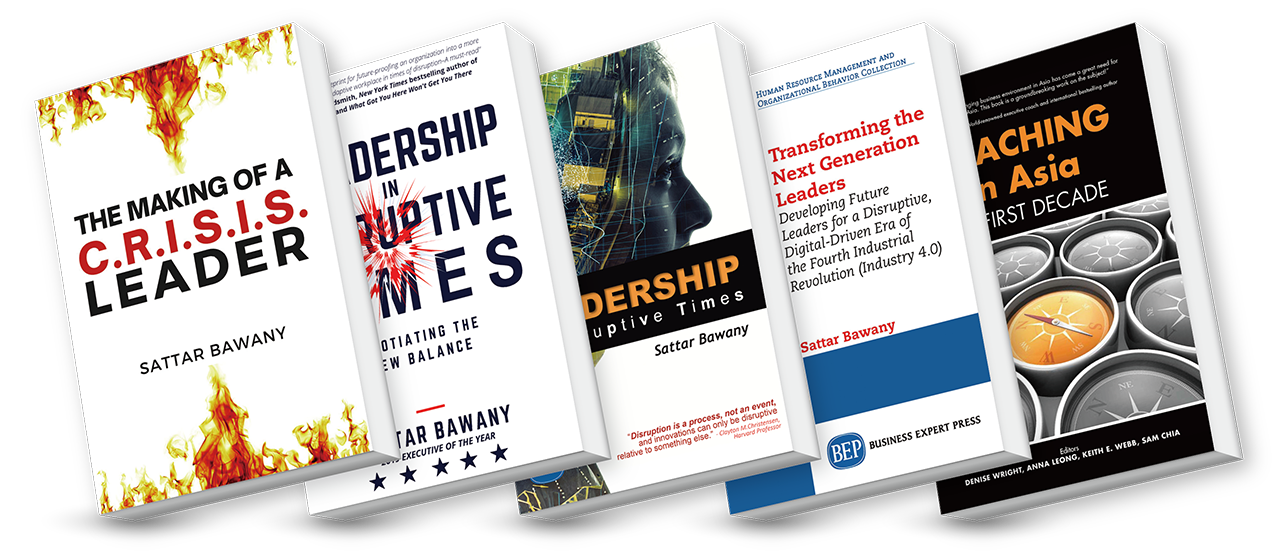
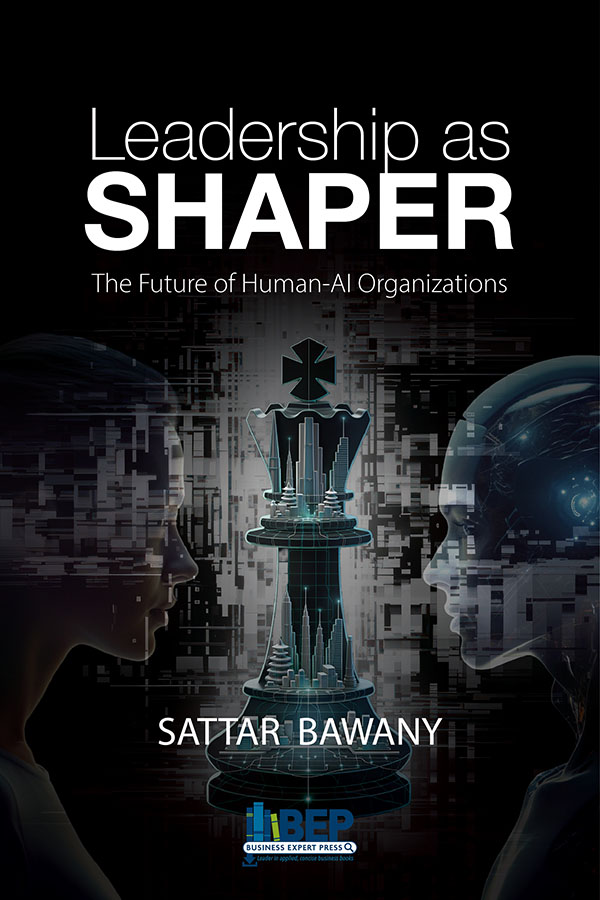
As organizations transition from human-led systems to AI-augmented and increasingly autonomous ecosystems, leadership itself must be redefined. The book series introduces the SHAPER AI Leadership Model™, helping leaders sense disruption, harness human–AI collaboration, build adaptive organizations, protect trust through ethical governance, execute transformation, and continuously renew capability. More than a framework, it is a strategic playbook for governing intelligent systems and leading responsibly in an age where humans and machines co-create the future.
The Future-Ready Leadership™ Book Series is a four-volume exploration on what it takes to lead effectively in an era defined by disruption, uncertainty, crisis, and the accelerating impact of Artificial Intelligence.
The series examines leadership in the Age of AI through three complementary perspectives: understanding the changing leadership landscape, developing the capabilities required to lead Human–AI organizations, and building the organizational systems needed to sustain future-ready performance.
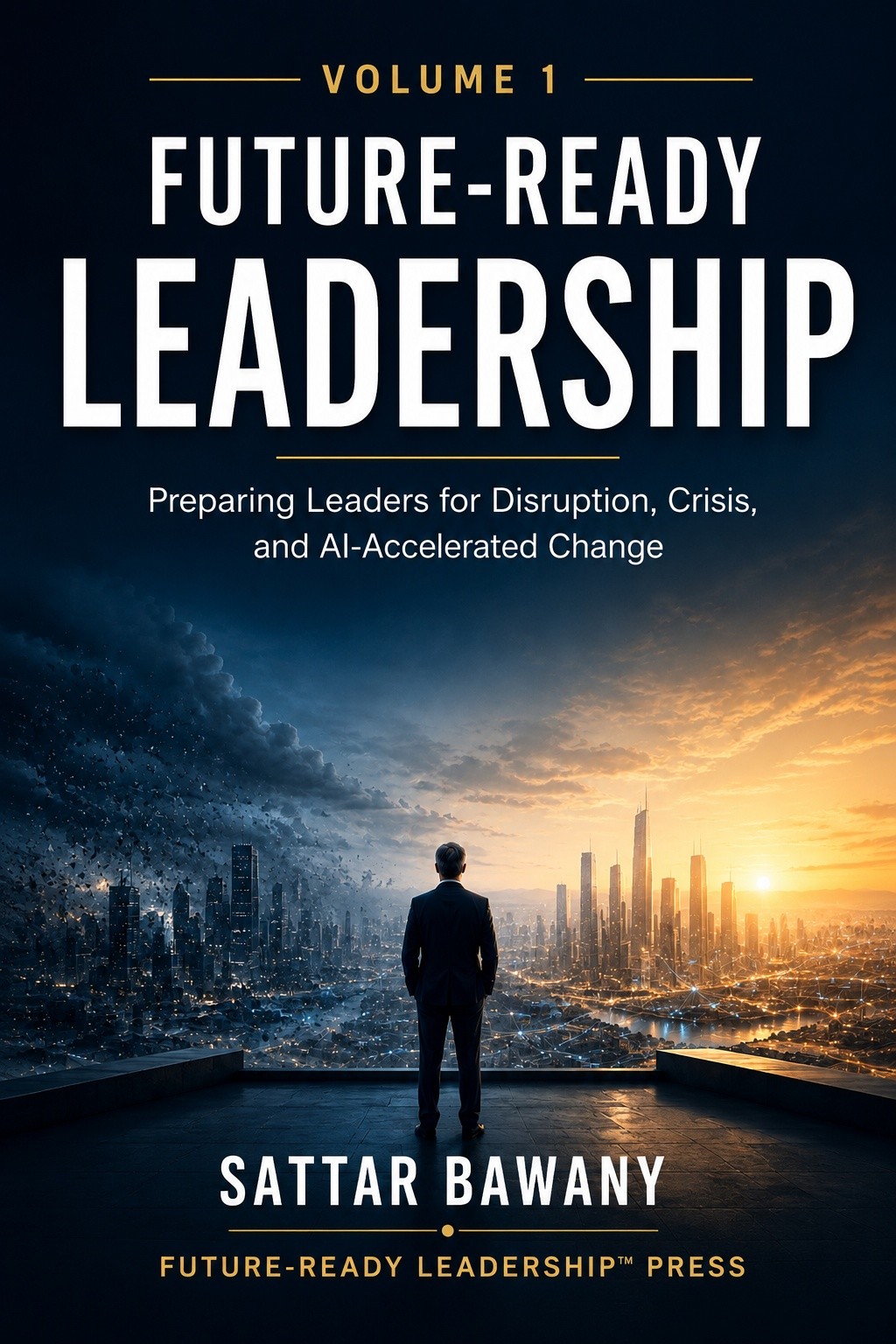
The first volume, Future-Ready Leadership: Preparing Leaders for Disruption, Crisis and AI-Accelerated Change (2026), establishes the strategic foundation for the series. It explains why traditional approaches to leadership are increasingly inadequate in an environment characterized by technological acceleration, geopolitical uncertainty, shifting stakeholder expectations, organizational complexity, and recurring disruption. It challenges leaders to rethink how they anticipate change, exercise judgment, build resilience, engage people, and lead transformation.
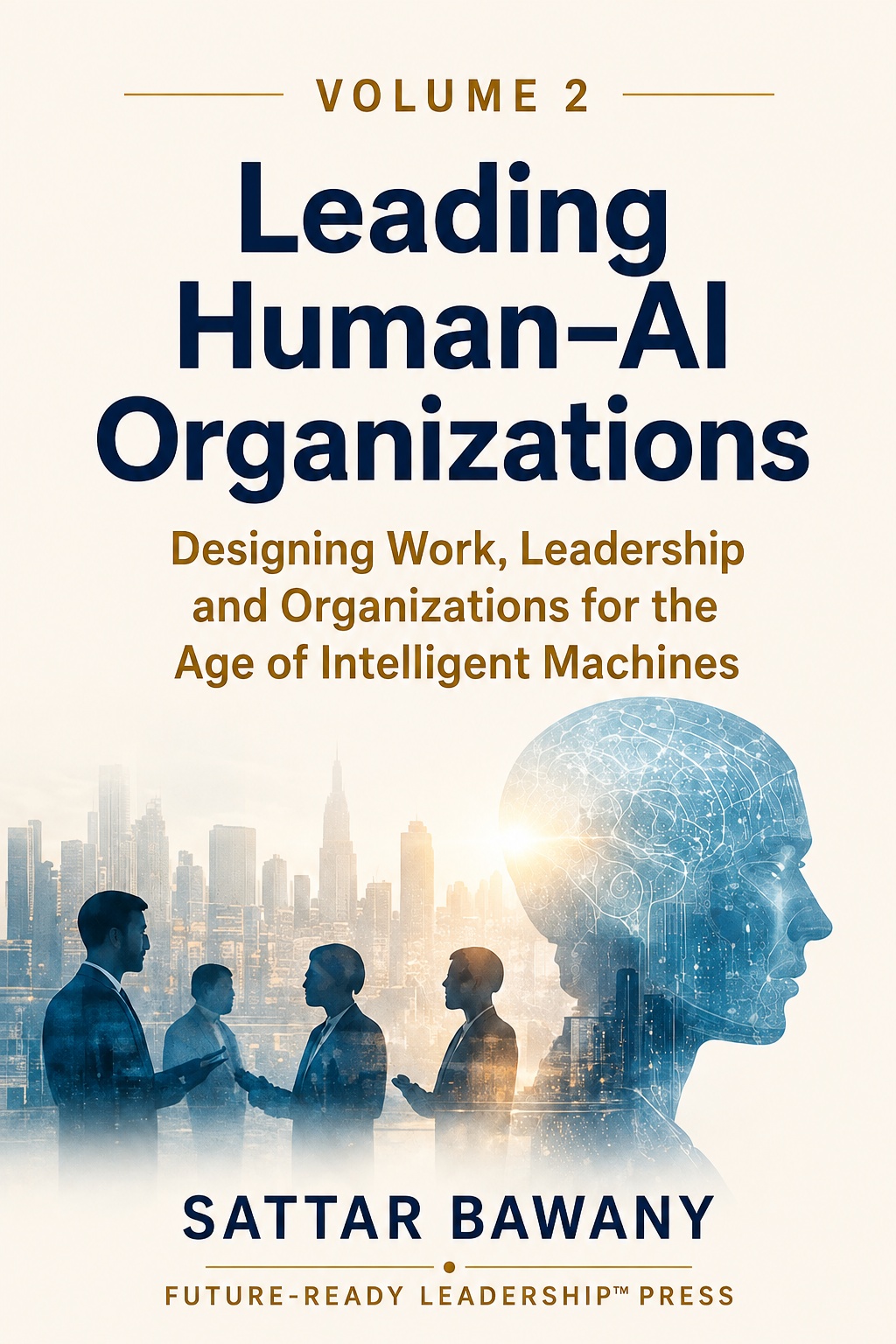
The second volume, Leading Human–AI Organizations: Designing Work, Leadership and Organizations for the Age of Intelligent Machines (2026), moves from context to capability. It examines the six leadership capabilities required to lead effectively in Human–AI organizations and introduces the SHAPER AI Leadership Model™ as an integrated leadership architecture for the AI era. The book explores how leaders can combine human judgment, strategic foresight, adaptability, purpose, engagement, and responsible use of AI to create organizations in which human and machine intelligence strengthen one another.
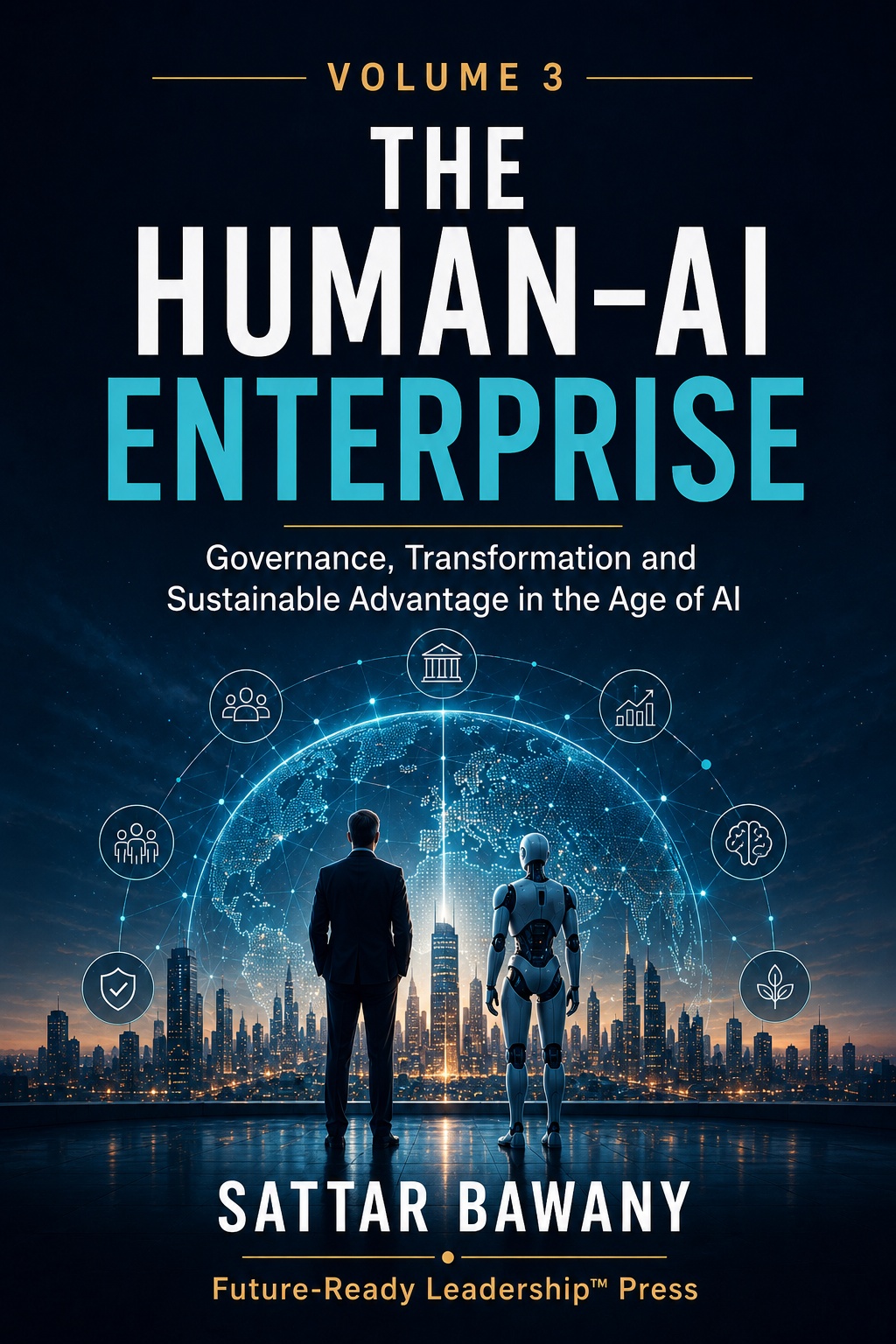
The third volume, The Human–AI Enterprise: Governance, Transformation and Sustainable Advantage in the Age of AI (2026), shifts the focus from individual leadership capability to enterprise execution. It examines how boards, CEOs, and executive teams can institutionalize future-ready leadership through governance, organizational design, culture, talent, decision-making, responsible AI practices, and enterprise-wide transformation. Its central concern is how organizations can translate leadership intent into sustainable systems, structures, and behaviors.
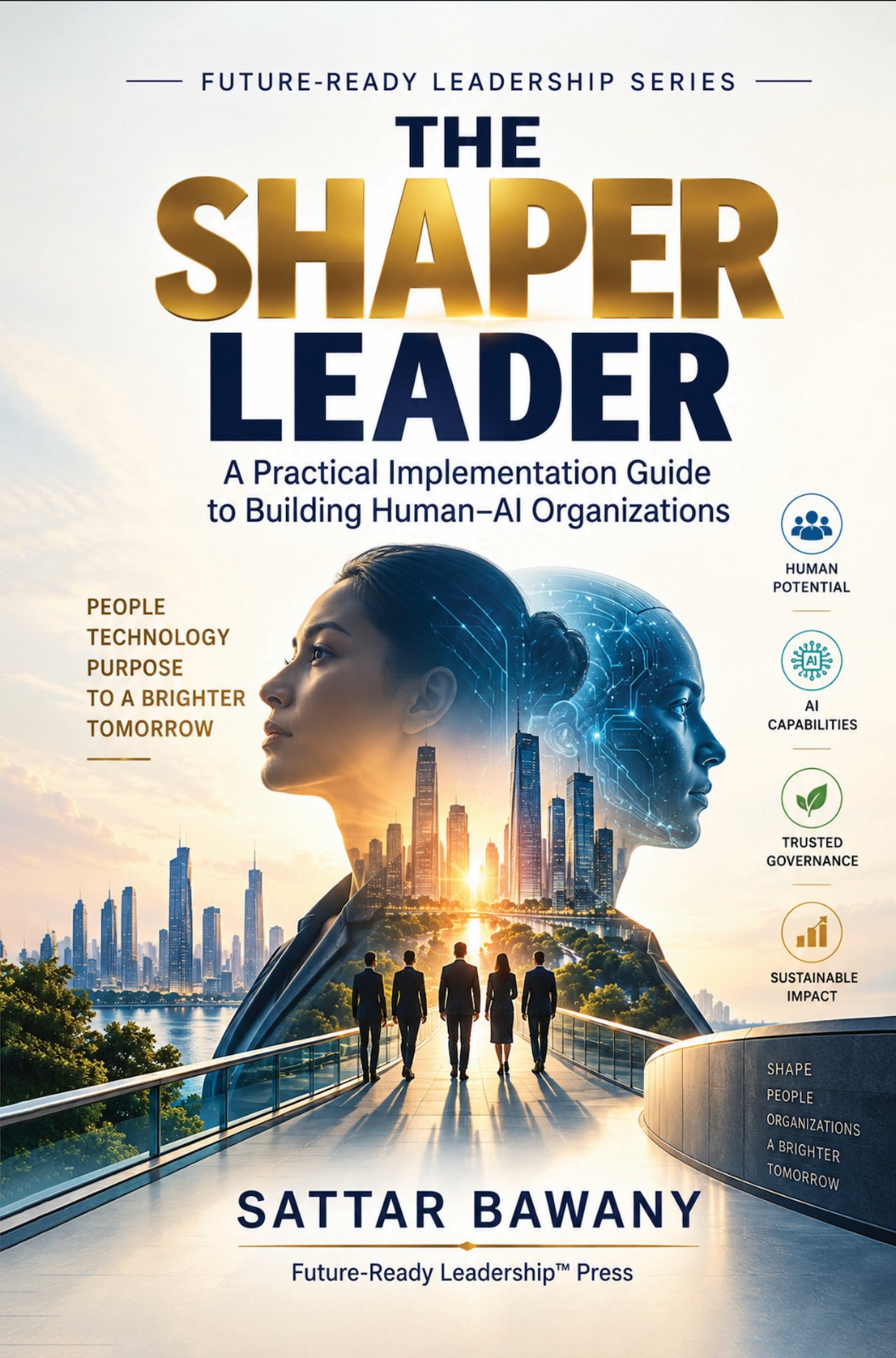
The fourth volume, The SHAPER Leader: A Practical Implementation Guide to Building Human–AI Organizations (2026), is a practical implementation guide for leaders navigating the transition from AI adoption to the Human–AI organization. It addresses how leaders can redesign strategy, work, decision-making, organizational architecture and governance so that human judgment and machine intelligence create value together while preserving human agency, accountability, trust and organizational learning. The book introduces the SHAPER AI Leadership™ Model, an integrated leadership architecture built around six capabilities: Strategic Foresight; Harness Human–AI Collaboration; Architect Adaptive Organizations; Protect Trust Through Ethical AI Governance; Execute Transformation with Agility; and Renew Leadership Capability Continuously. It provides leaders with a practical pathway from diagnosis and design through governance, execution, renewal and institutionalization.
Taken together, the three books provide a coherent roadmap for the future of leadership: understand the forces reshaping the leadership environment, develop the capabilities required to lead within it, and build the organizational architecture needed to thrive in it.
The series is grounded in a fundamental proposition: technological advancement alone will not determine which organizations succeed in the years ahead. Leadership will.
If there is one central message the author hope readers will take away from this book—and from the Future-Ready Leadership™ Book Series—it is this:
The greatest challenge facing organizations today is not keeping pace with technological change. It is developing leaders capable of interpreting change, exercising sound judgment amid uncertainty, mobilizing people through disruption, and using technology responsibly to shape a better future.
The future will not simply happen to organizations. It will be shaped by the leaders who are prepared to lead it.