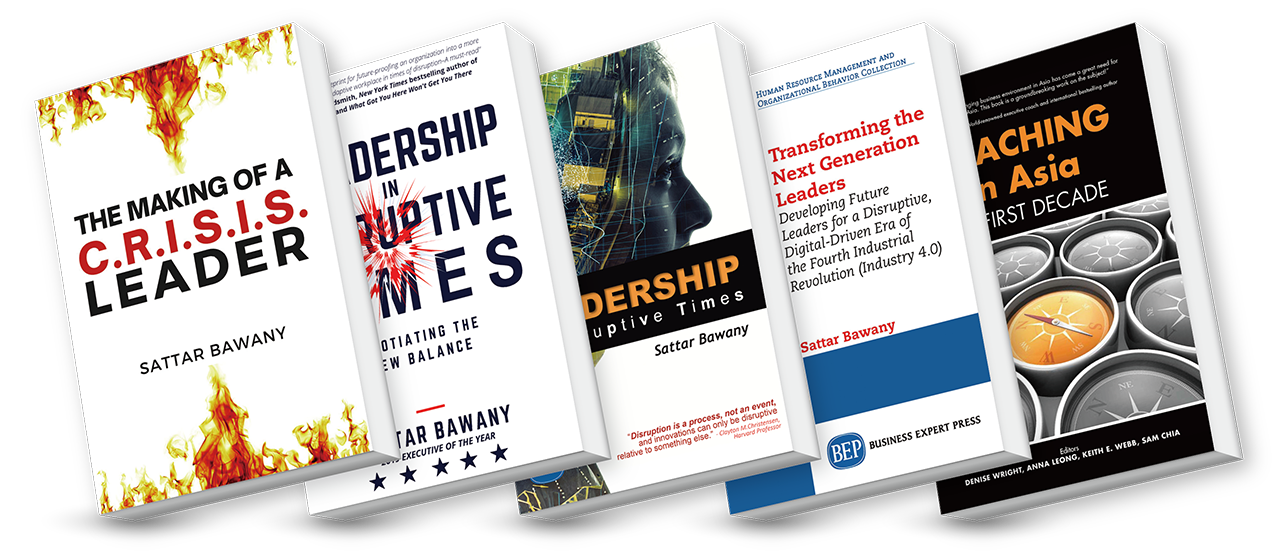
Future-Ready Leadership Book Series

Introduction

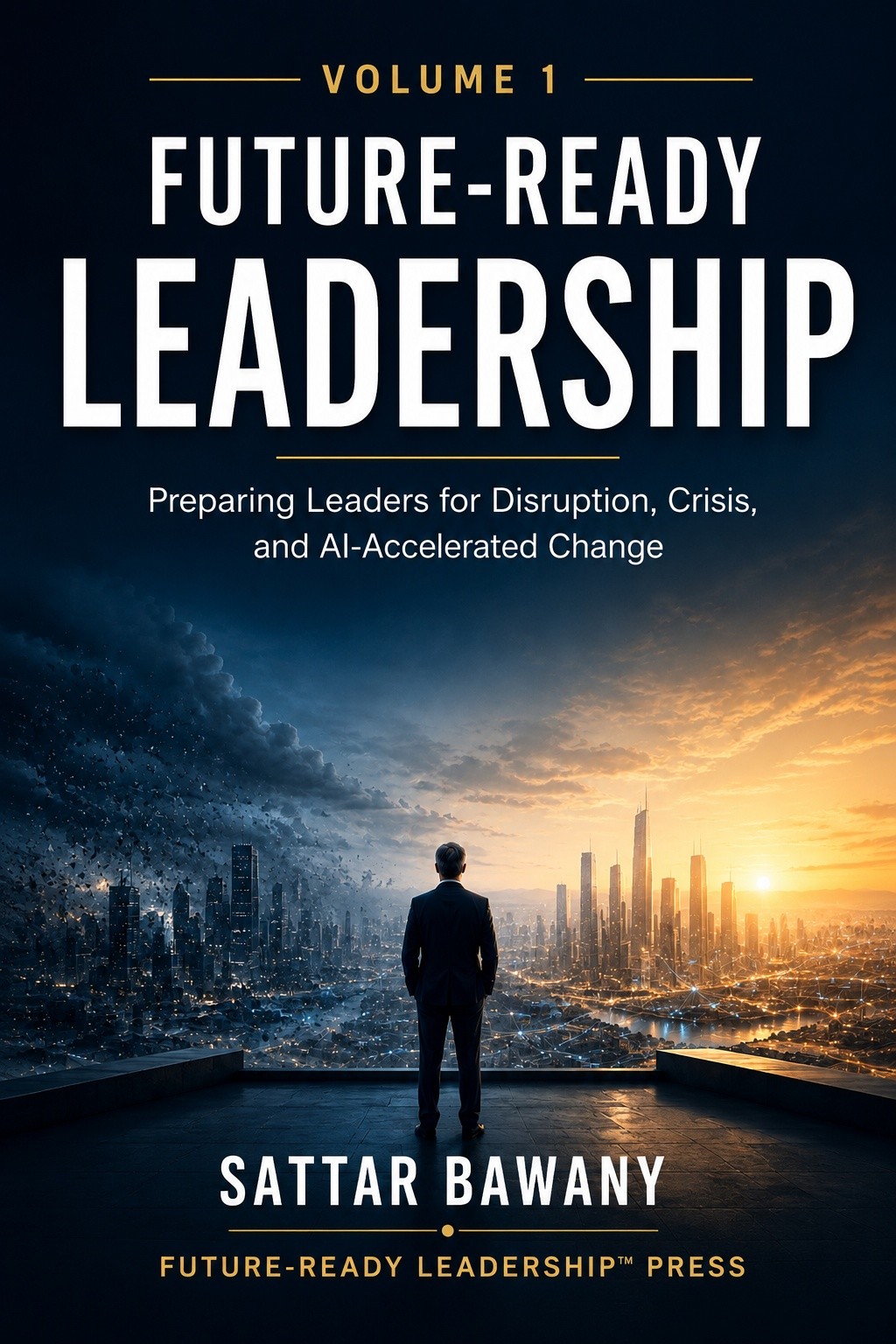
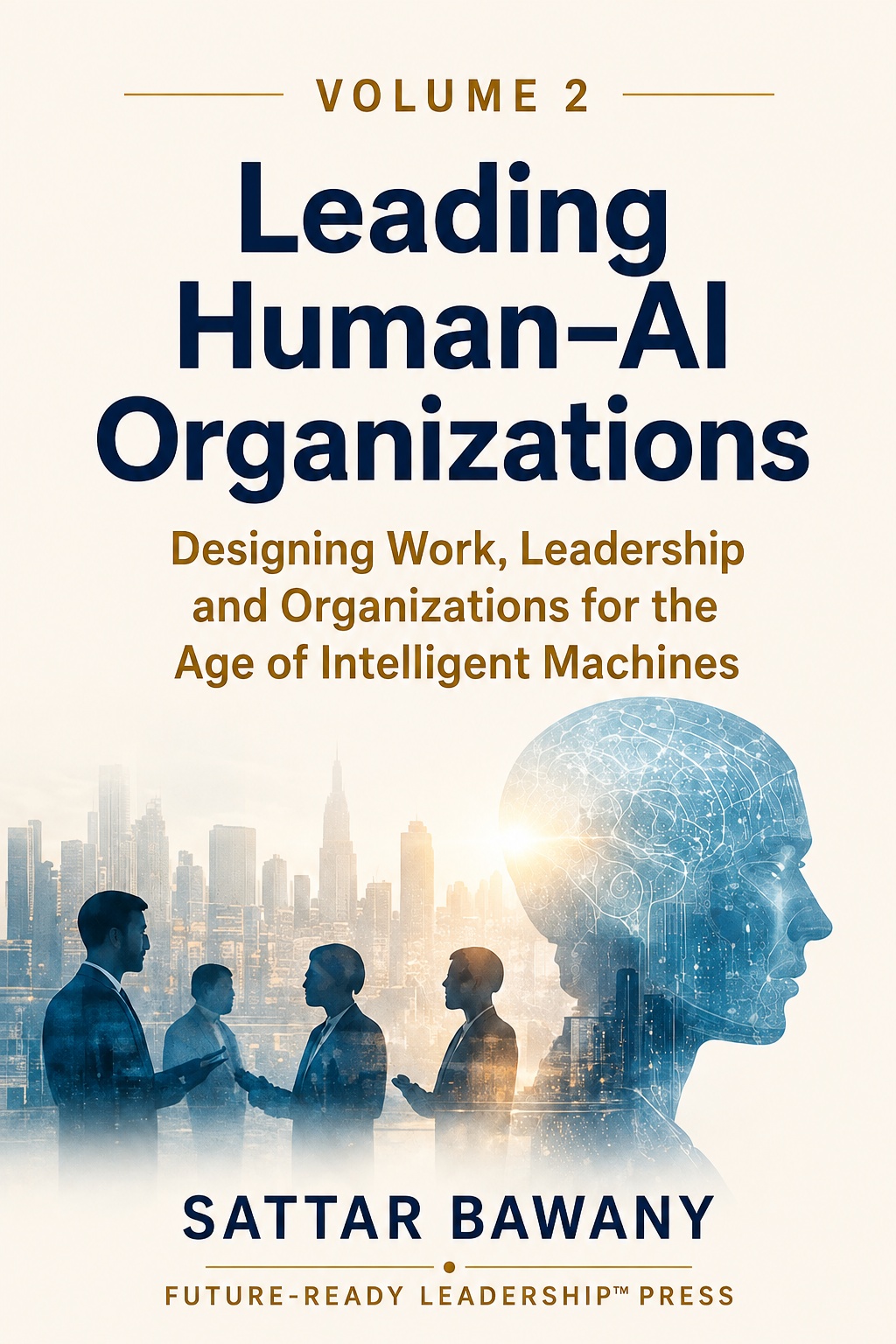
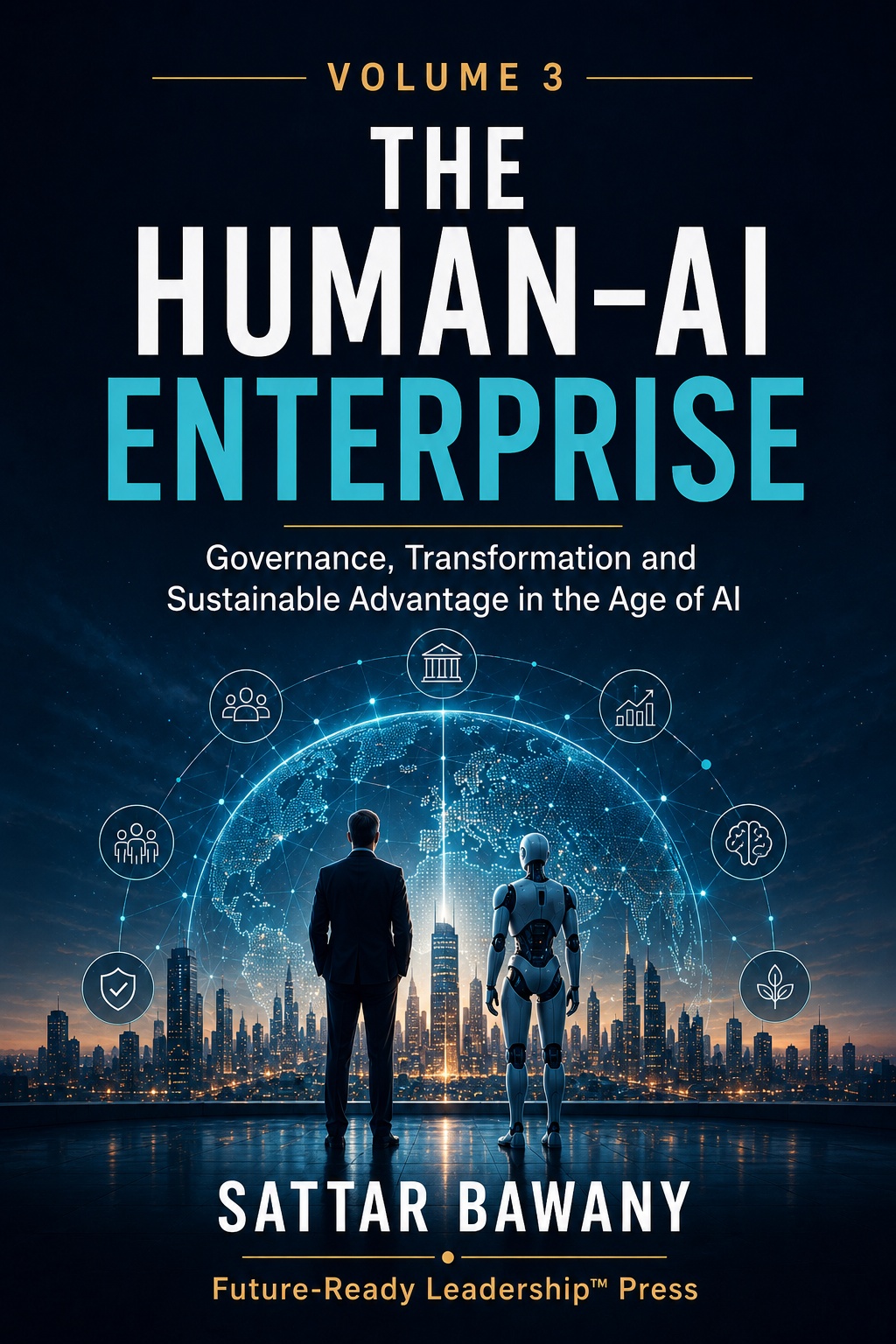
The Future Ready Leadership Book Series represents the intellectual foundation and applied thought leadership of Prof. Sattar Bawany, CEO and C-Suite Master Executive Coach of the Disruptive Leadership Institute LLC (DLI), New York. This body of work reflects more than two decades of research, advisory practice, executive coaching, and board-level engagement across Asia, the Middle East, Europe, and North America.

At its core, the series addresses one defining question facing leaders today. How do CEOs, boards, and senior executives lead responsibly, decisively, and ethically in an era defined by constant disruption, accelerating AI adoption, systemic crises, and deep uncertainty?

These books are not written as abstract leadership theory. They are grounded in real-world leadership failures and successes, extensive empirical research, and lived experience advising boards and C-suite leaders through disruption, crisis, digital transformation, and organizational renewal. Together, they form a coherent leadership architecture for building future-ready leaders who can think strategically, act courageously, and lead humanely in volatile, uncertain, complex, ambiguous, and digitally saturated environments.

Beyond insight, the series delivers practical frameworks, diagnostic tools, and evidence-based models that leaders can apply in boardrooms and executive decision settings. It integrates AI governance, crisis readiness, stakeholder accountability, and executive character into a unified leadership system. The result is a pragmatic roadmap that strengthens judgment under pressure, builds enterprise resilience, and equips leaders to act with clarity, confidence, and long-term strategic foresight.

Thought Leadership and Professional Standing

Prof. Sattar Bawany is internationally recognized as a leading authority in AI Leadership, Disruptive and Crisis Leadership, and board advisory and C-suite executive development. His work focuses on helping boards, CEOs, and senior leadership teams navigate the leadership risks created by digital acceleration, artificial intelligence, geopolitical instability, talent disruption, and rising stakeholder expectations.

His thought leadership integrates three critical dimensions of modern leadership:

  • Strategic foresight and systems thinking in an AI and technology-driven economy
  • Crisis readiness, ethical decision making, and leadership under pressure
  • Executive presence, board-level judgment, and leadership character in moments that test credibility and trust

The Future Ready Leadership Book Series codifies these insights into practical frameworks, diagnostic tools, and leadership models that are now embedded across DLI’s executive development, board advisory, and C-suite coaching engagements globally.

Why the Future Ready Leadership Book Series Was Developed

The Future Ready Leadership Book Series was developed in response to a clear and growing leadership gap observed across boardrooms and executive teams worldwide. Organizations were investing heavily in strategy, technology, and transformation initiatives, yet leadership capability was not evolving at the same pace as disruption itself.

Through extensive research, board advisory work, and executive coaching engagements, recurring leadership challenges emerged:

  • Leaders are unprepared for AI-driven decision-making and ethical risk
  • Boards struggling with crisis oversight, governance, and CEO readiness
  • Executives optimized for stability but not for disruption or sustained uncertainty
  • Leadership development programs disconnected from real-world complexity

The books were designed to close this gap by translating research findings, global best practices, and tested leadership frameworks into accessible, actionable guidance for senior leaders.

Integration with DLI Frameworks and C Suite Executive Development Programs

The insights, tools, frameworks, and models presented in the Future Ready Leadership Book Series directly inform the design of DLI’s C-Suite Executive Development Programs. These programs are not generic leadership training initiatives. They are built on validated leadership frameworks that address the realities of leading in digitally and AI-driven, VUCAD-heavy environments.

Together, the books and programs help leaders:

  • Build crisis-ready leadership capability before disruption strikes
  • Strengthen board and CEO judgment under uncertainty
  • Lead ethical, human-centered transformation in AI-enabled organizations
  • Develop executive presence, influence, and credibility at the highest levels
  • Align leadership behavior with long-term enterprise resilience and trust

This integrated ecosystem of books, frameworks, and executive development offerings ensures that leaders do not simply learn about disruption, but are equipped to lead through it with clarity, courage, and conviction.

A Living Body of Thought Leadership

The Future Ready Leadership Book Series is not static. It evolves as new research emerges, technologies advance, and global risks intensify. Together with DLI’s frameworks, models, and executive programs, it represents a living body of thought leadership dedicated to shaping leaders who can navigate complexity, steward organizations responsibly, and lead decisively in a future that demands more from leadership than ever before.

Overview of the Five Books in the Series

Book Details

ISBN – 9781637427842
EISBN – 9781637427859
Copyright Year – 2025
In Stock – March 7, 2025
Pages – 125
AbstractBuy BookBEP PRESS KIT

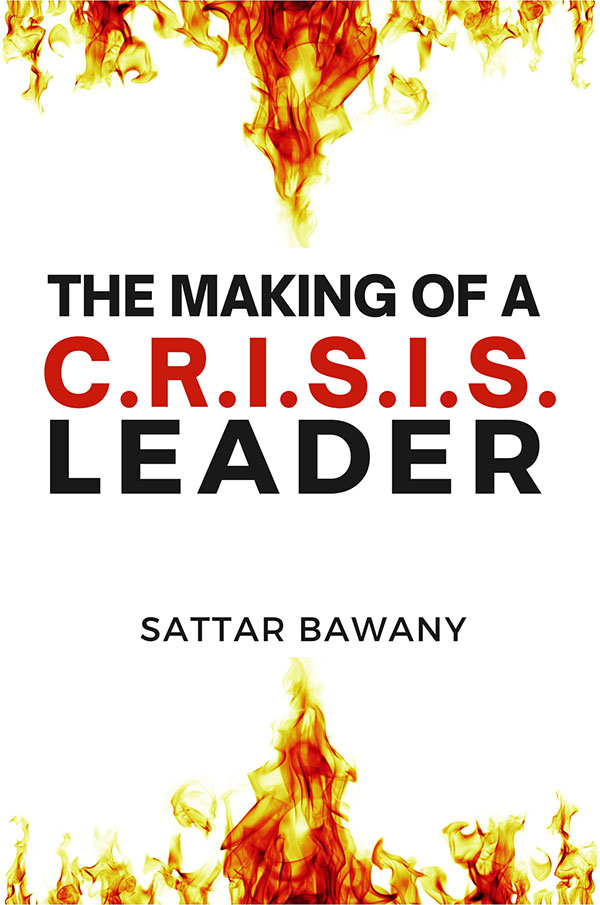
The Making of a C.R.I.S.I.S. Leader (2025)

As the world becomes more complex and connected, the threat of a corporate crisis grows. There are instances everywhere: We have experienced firsthand how a pandemic when spread worldwide, caused massive global business disruption and a public health disaster; a corruption scandal causes a corporate leader to step down; the sudden death of a CEO without succession planning in place causes instability; a data breach shakes customer confidence; and quality issues trigger a widespread product recall. ¬These are just a few examples among many of the recent corporate crises.

A crisis can be defined as a time of intense difficulty, trouble, or danger. It can be caused by a range of factors, from natural disasters to financial downturns, and can impact individuals, organizations, and even entire countries. The COVID-19 pandemic is a prime example of a crisis that has affected the world on an unprecedented scale.

Today’s businesses face unprecedented challenges operating in a global environment that is highly disruptive and increasingly volatile, uncertain, complex, and ambiguous (VUCA). The current hyper-VUCA threat environment demands a more cohesive support structure for crisis leaders who may be faced with crises of increasing magnitude and frequency and, in some instances, multiple crisis events simultaneously.

The book aims to serve as a field guide on how organizations can implement tactical responses to significant challenges during a crisis that can threaten their existence. It also provides resources including but not limited to best practice tools, frameworks, and approaches that leaders need to enable them to make tough decisions quickly and decisively, while also inspiring and motivating their teams. The eventual outcome is to develop effective leaders (known as “C.R.I.S.I.S.” leaders) who can see the bigger picture, anticipate challenges, and make the necessary adjustments to steer their organizations through the storm.

The book includes the latest research on the best practices for leading organizations and teams during times of crisis and disruption in an environment characterized by rapid and continual disruption. The book aims to answer the following questions:

  1. What are the leadership lessons from past decades on how leaders respond successfully to crises?
  2. What are the future mega-disruptive forces that will lead to crises that may potentially impact organizations’ supply chains and business sustainability plans?
  3. How can organizations develop future-ready crisis leaders by leveraging on the best practice “C.R.I.S.I.S.” Leadership Model skills and competencies?
  4. How can Boards and CEOs successfully navigate the challenges posed by crises by adopting the best practice “5-Step Crisis Management Planning & Strategy” framework?

Book Details

ISBN – 9781637422342
EISBN – 9781637422359
Copyright Year – 2023
In Stock – April 03, 2023
Pages – 300
PreviewAbstractBuy BookDownload Press KitDownload Brochure

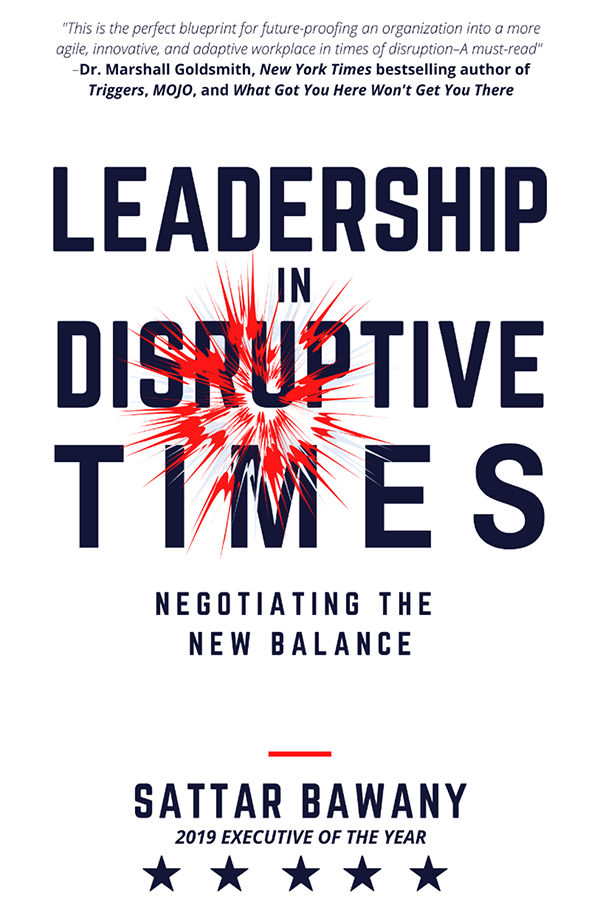
Leadership in Disruptive Times: Negotiating the New Balance

Those who have been leading organizations for some time will attest to the fact that disruption, in its various forms, can happen at any time, in any market segment, or any industry. The reality is that its impact on traditional organizations can be disastrous if not managed effectively. It has and will continue to fundamentally change the way we live and work in decades to come. A leader must see beyond the horizon to anticipate these possible disruptions and develop relevant strategies to mitigate the associated risks.

Today’s global disruptions (e.g., geopolitical tensions, supply chain bottlenecks technological innovations, and climate change)and economic headwinds (e.g., soaring inflation, rising interest rates, decelerating growth, and currency fluctuations) have created a complex, once-in-a-generation, competitive environment with significant variations across geographic areas and sectors.

Navigating this unprecedented complexity requires business leaders to develop a dynamic perspective not only on the most likely scenarios for how their operating and economic environments will evolve but also on the distinct opportunities and risks these scenarios present for their organizations.

The book aims to answer the following questions:

  1. What are the megatrends of future disruptive forces that organizations need to take into consideration in their crisis management and business sustainability plan?
  2. How do organizations negotiate the new balance of ‘enterprise risk management’(ERM) with corporate sustainability?
  3. How do leaders transform their organizations to be agile, adaptive, and innovation-driven in the era of constant disruption and crisis?
  4. What are the key considerations for an organization to consider as they adopt digital transformation to reinvent people, processes, and technology in the disruptive World-of-Work (WOW)?

Book Details

EISBN – 9781952538377
Copyright Year – 2021
In Stock – July 15, 2020
Pages – 314
ISBN – 9781952538360
PreviewAbstractBuy BookDownload Press KitDownload Brochure

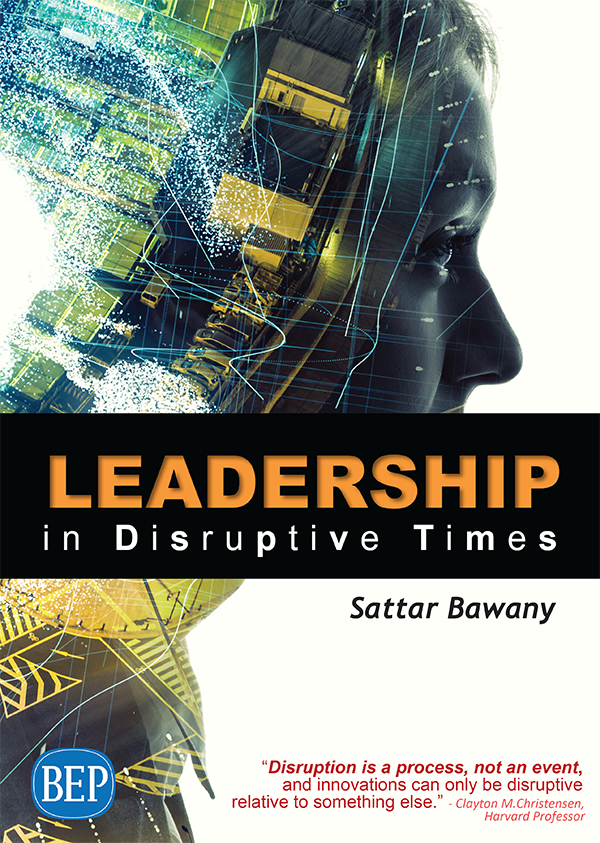
Leadership in Disruptive Times

Disruption is happening everywhere and in every aspect of our lives. It is happening at a scale and speed that is unprecedented in modern history impacting diverse industries. Not every disruption is driven by advances in technology as it can be seen in the case of COVID-19 pandemic which has caused massive disruption to the economy, businesses and individual lives.

“Leadership in Disruptive Times” focuses on navigating the organizational challenges following the aftermath of the unprecedented global COVID-19 crisis and the disruption caused by digitization at the workplace in the era of the Fourth Industrial Revolution (better known as Industry 4.0). It provides organizations and leaders with the relevant tools, frameworks and best practice approaches to develop and map their digital transformation journey in today’s highly disruptive, increasingly volatile, uncertain, complex, ambiguous (VUCA) and digital-driven workplace.

What does it mean to be a “disruptive digital leader” or also known at times as a “disruptive leader” or “digital leader”? Is it a title reserved for only technology giants or businesses with seemingly bottomless budgets? The truth is that any business can excel in digital leadership and management, regardless of its size or budget. But doing so requires more than just savvy IT leaders. It requires leaders across the business who understand why digital technology is essential and how to use it.

Digitalization is rapidly changing the way companies operate and create value in the era of the Fourth Industrial Revolution. The emergence of technology-centered business models is also challenging established organizations to reimagine and reinvent themselves to remain relevant to the marketplace. Digital readiness is of great importance today as it seems that while many organizations are either experiencing or expect to experience some form of significant digital disruption, few appear genuinely prepared.

The growing awareness and recognition of the impact of transformation on people and culture underscore the urgency to place cultural change at the center of any digital transformation agenda. Cultural transformation in a highly digitalized world includes best practices approaches that will help organizations understand how they can embed successful digital cultural transformation initiatives within their organization. Organizations must adopt the philosophy of putting People ahead of Process and Technology (PPT). Many digital transformation efforts do not achieve their desired results because they concentrate on the process improvement, strategies with the technology as an enabler but they ignore the people aspect of the change initiative.

Book Details

ISBN – 9781949443042
EISBN – 9781949443059
Copyright Year – 2019
In Stock – June 10, 2019
Pages – 152
PreviewAbstractBuy BookDownload Press KitDownload Brochure

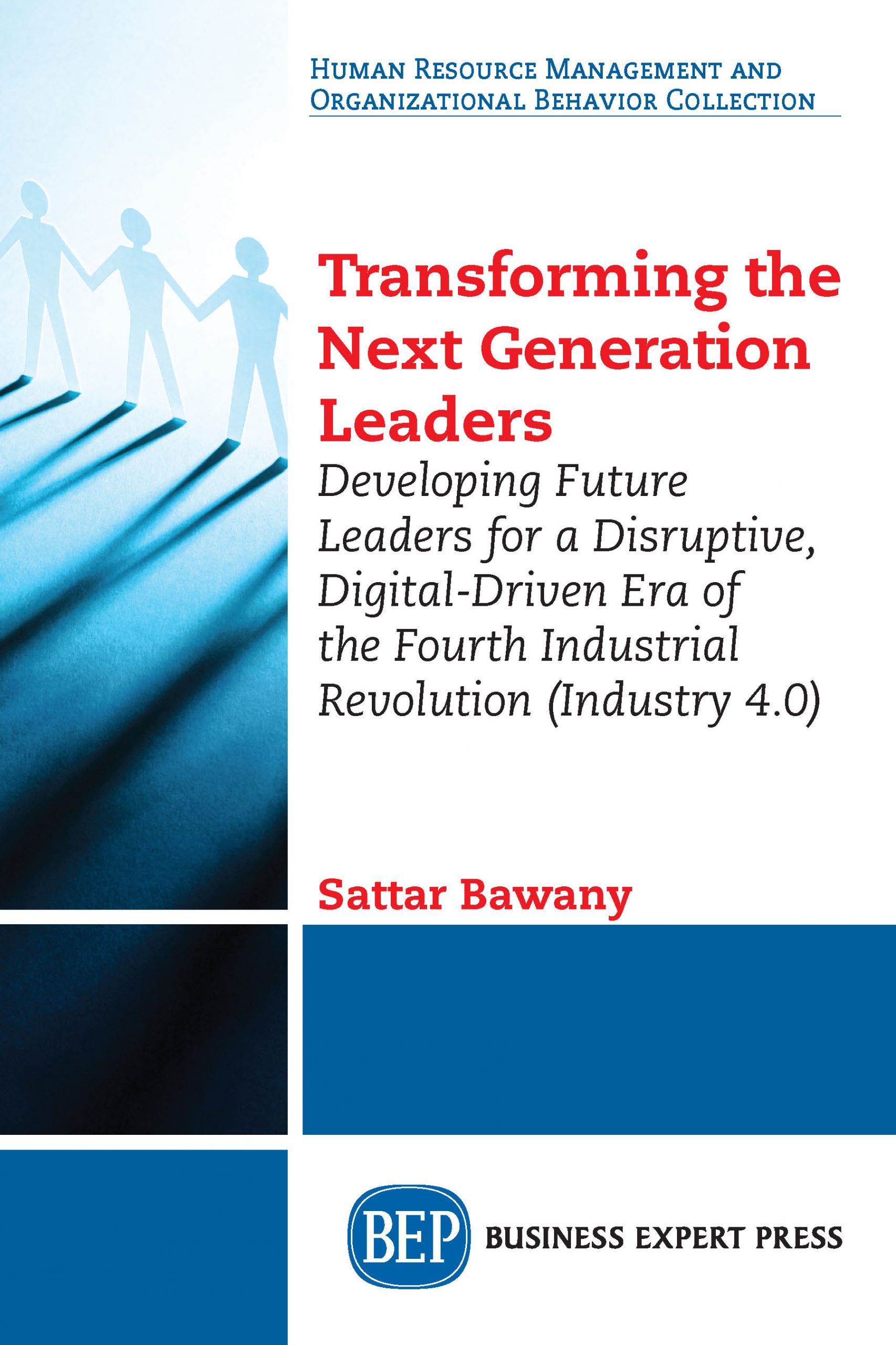
Transforming the Next Generation Leaders: Developing Future Leaders for a Disruptive, Digital-Driven Era of the Fourth Industrial Revolution (Industry 4.0)

A company’s leadership pipeline is expected to deliver its next generation of leaders who are capable of leading now. In a highly disruptive, digital, and VUCA-driven era of the Fourth Industrial Revolution (also known as Industry 4.0), these upcoming leaders need to have a broader skillset, one that equips them to think and act globally. Conventional leadership development practices are no longer adequate. Organizations globally need to incorporate the next-generation leadership competencies to address the development needs of their upcoming leaders.

The current digital transformation that underpins the Fourth Industrial Revolution (also known as Industry 4.0) has ushered in a new business environment that is fast, open, and responsive, resulting in several organizational and leadership challenges. How do organizations develop their next-generation of leaders to navigate these nearly insurmountable challenges?

This book is designed to provide insights into an understanding of the best practices and contemporary approaches to the identification, assessment, selection, and development of future leaders of an organization with a focus on executive and transition coaching as a development tool. What is the role of leaders in transforming the organization to succeed in the digital world? How do organizations develop the next generation of leaders?

This book also seeks to guide leaders to succeed in the highly disruptive, digital, and increasingly VUCA-driven era of the Fourth Industrial Revolution (Industry 4.0), by:

  1. providing insights into the role of leaders in transforming the organization to succeed in the digital world;
  2. understanding the best practices and contemporary approaches to developing the next generation of leaders;
  3. developing and implementing appropriate programs to lead and engage their people to achieve desired results.

Book Details

ISBN – 9789810865696
Copyright Year – 2010
In Stock – August 1, 2010
Pages – 183
PreviewBuy Book

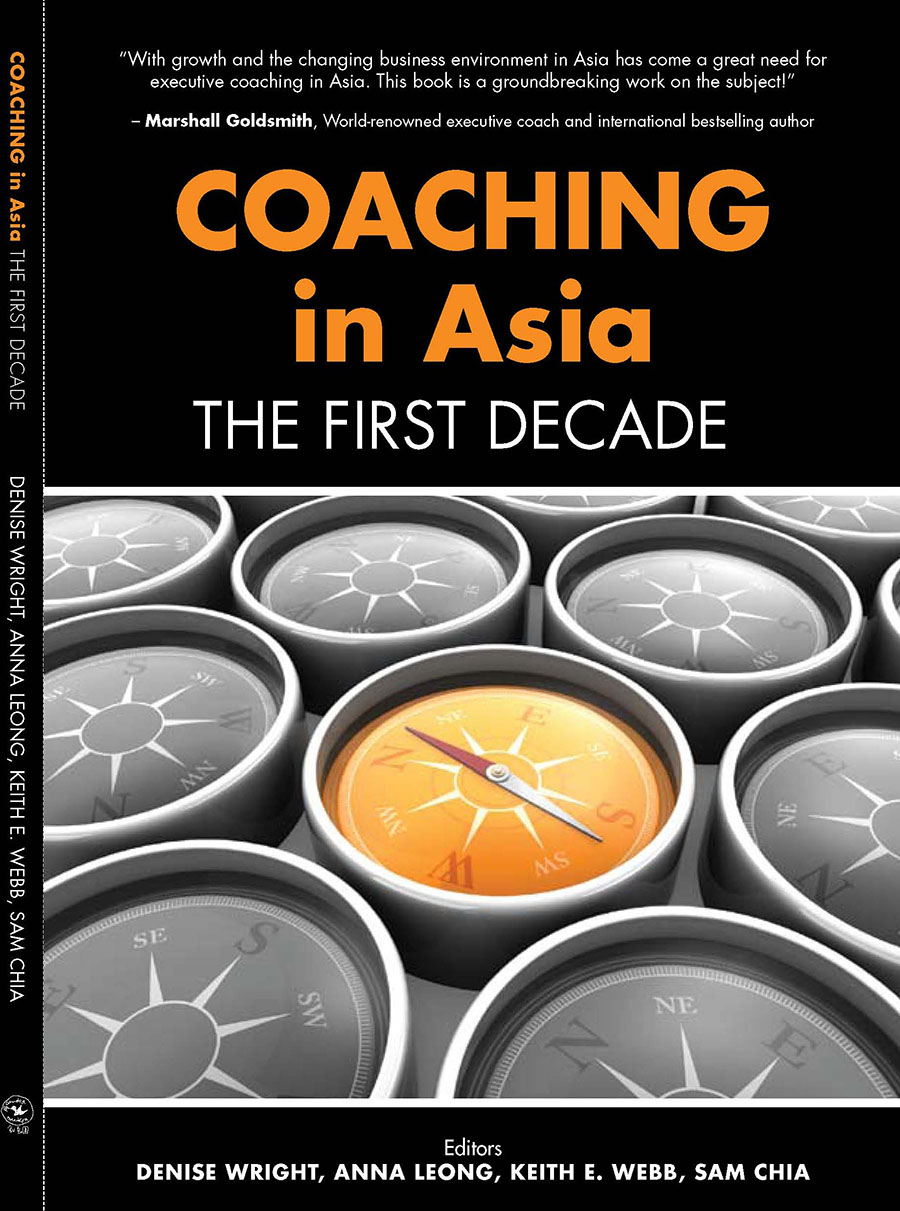
Coaching in Asia: The First Decade

Coaching in Asia: The First Decade is the definitive guide to the principles and practices of empowering personal and organizational change.

Whether you’re a manager or coach, living in Asia, Europe, or elsewhere, Coaching in Asia is packed with case studies and coaching approaches to help you develop greater effectiveness. Each chapter is drawn from the first-hand expertise of a diverse group of coaches working in China, India, Indonesia, Singapore, Thailand, and beyond.

Coaching is a global phenomenon that is best wrapped in cultural nuances. Coaching in Asia offers expert guidance on what has been done and more importantly, what is working. It will provide you with the ideas, methods, and practices to enable you to live out your leadership potential and be an agent of change for the good of the world around you.

This book was launched at the inaugural Asia Pacific Coaching Conference (APCC 2010) in Singapore on 1-3 September 2010. The book offers a collection of chapters by different authors whose aim is to create/heighten awareness of various coaching approaches practiced in Asian-based organizations.

Chapter 10 “Maximising the Potential of Future Leaders: Resolving the Leadership Succession Crisis with Transition Coaching” was written by Prof Sattar Bawany.

Talent management and retention are perennially at the top of a CEO’s most pressing worries. A company’s leadership pipeline is expected to deliver its “next generation” of ready-now leaders and it does so by accelerating the performance of future leaders. Transition coaching is a strategic intervention that encompasses the goals of executive coaching, but focuses specifically on addressing leadership transitions. Successfully assuming a new leadership role begins with identifying the right goals, developing a supporting strategy, aligning the architecture of the organization, and figuring out what projects to pursue to secure early wins. This chapter looks at how Transition Coaching, a proven, integrated, and systematic process, does exactly that.